THE INTERNATIONAL CONFERENCE ON
ECONOMICS, LAW AND GOVERNMENT
ELG 2025
Resilience, Sustainability and Digital Transformation in a Changing World: Perspectives from Southeast Asia
Hosted by
College of Economics, Law and Government
University of Economics Ho Chi Minh City
August 1-2, 2025 | Ho Chi Minh City, Vietnam
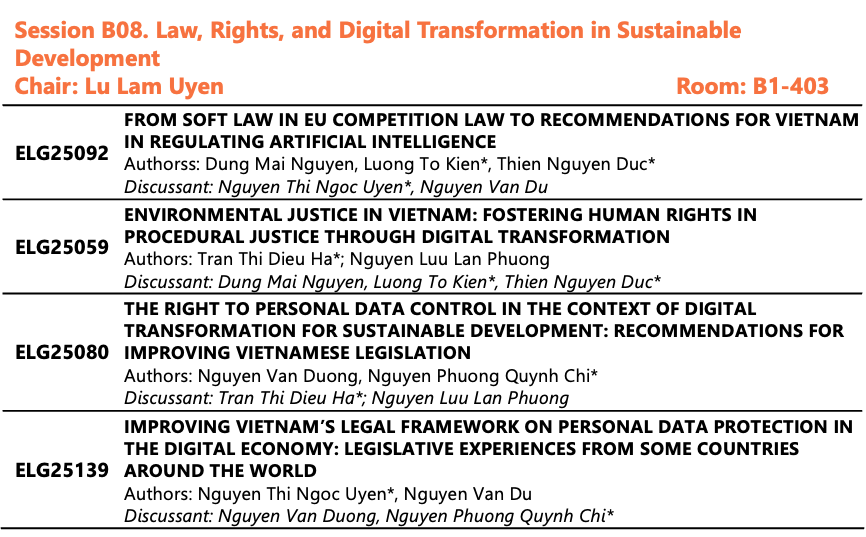
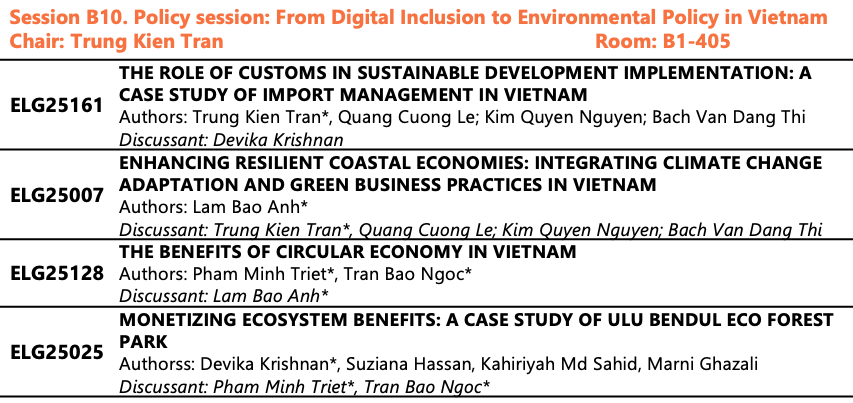
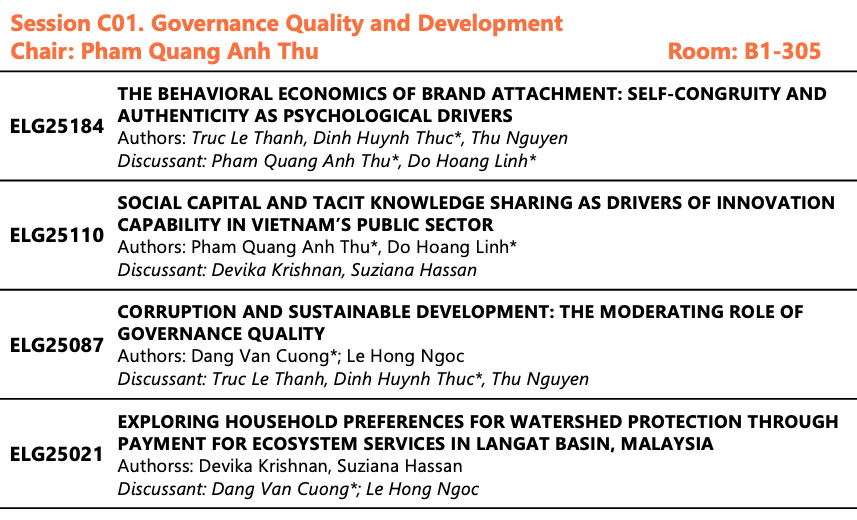
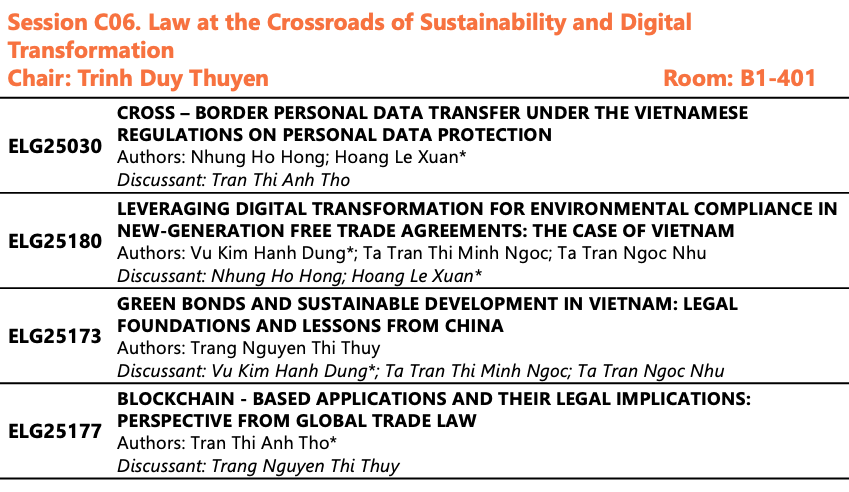
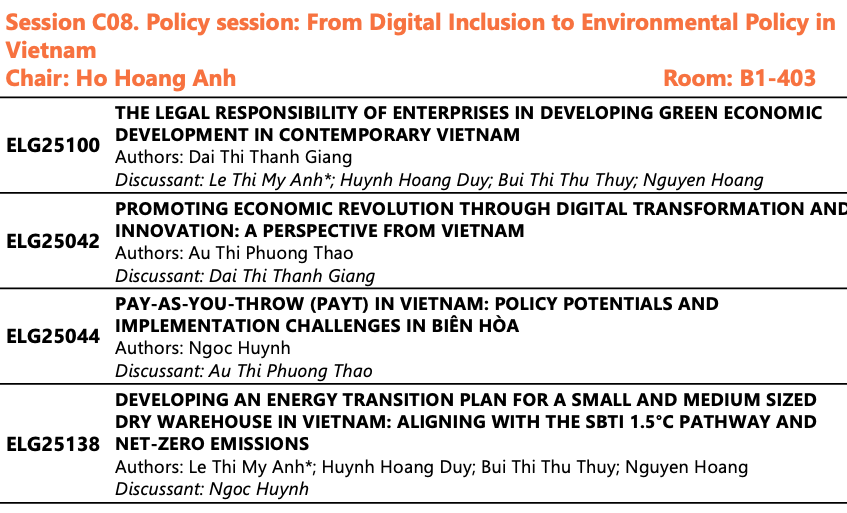
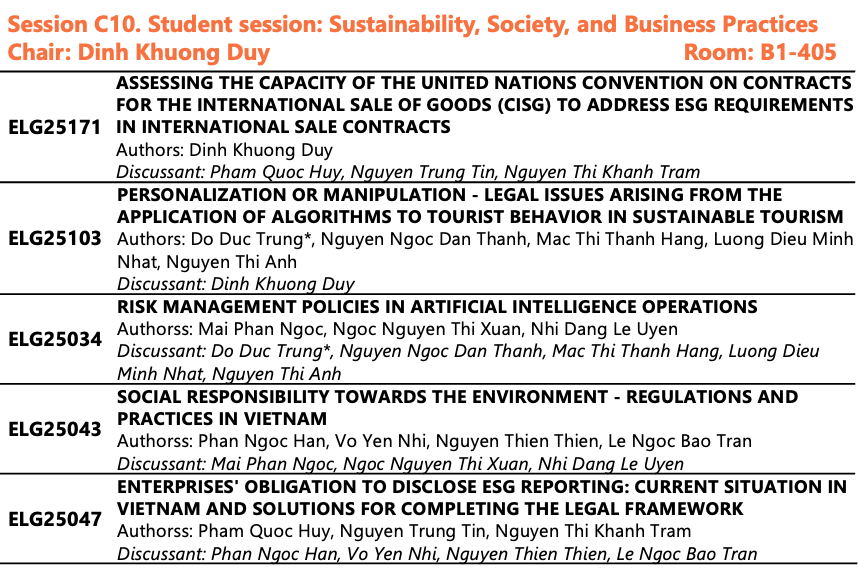
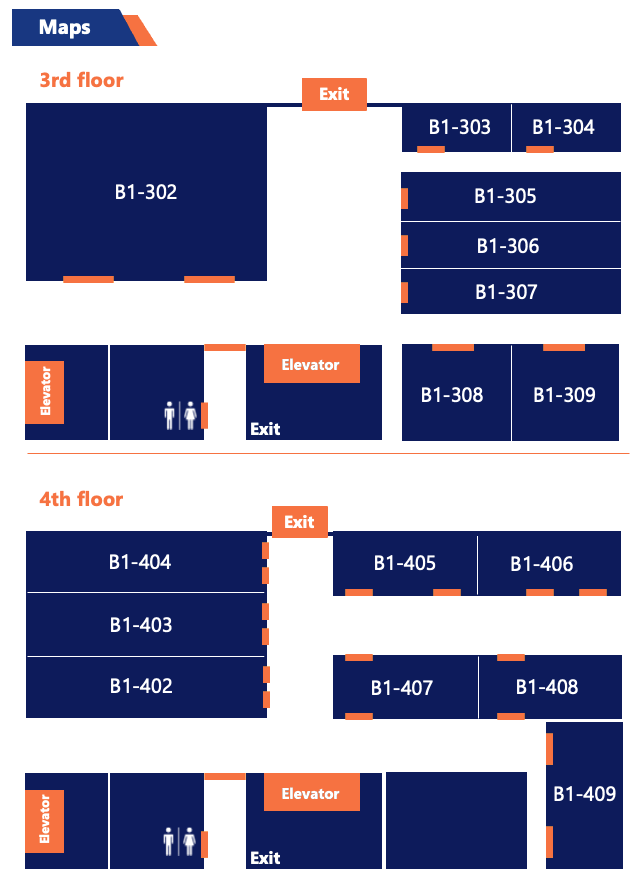
Detailed program:
Keynote Speech: Prof. Pamela Jagger
“Building Data and Capacity for Local Resilience to Climate Shocks in Developing Countries”
Keynote Speech: Prof. Carlos Chavez
“Managing and Defending the Commons: Experimental Evidence”
Keynote Speech: Prof. Jeannie Paterson
“Transparency and accountability: The role of the law in promoting trust, resilience and sustainability in a time of digital”
About the Conference:
The College of Economics, Law, and Government at the University of Economics Ho Chi Minh City is pleased to announce the International Conference on “Resilience, Sustainability and Digital Transformation in a Changing World: Perspectives from Southeast Asia”. The world economy in 2025 is facing turbulence, with uncertainties stemming from geopolitical shifts, economic instability, and disruptions in global trade. These challenges underscore the urgent need for sustainable policies and resilient governance frameworks, particularly in Southeast Asia—a region experiencing both rapid digital transformation and increasing environmental pressure.
This conference aims to bring together scholars, policymakers, and practitioners to explore technology-based and sustainable solutions to pressing economic, legal, and governance challenges in the region. The conference will serve as a platform for the exchange of ideas on the role of sustainability and digital transformation in fostering economic development, environmental protection, and social inclusion in the rapidly changing global and regional context.
Conference Themes:
We invite the submission of original research papers and policy papers addressing resilience, digital transformation, and sustainability-related challenges and opportunities in Southeast Asia. We welcome papers in the areas of economics, law, governance, and social sciences, including but not limited to:
Economics, Technology and Public Finance:
- Digital Economy and Inclusive Growth
- AI and Data Analytics in Economic Forecasting
- Green Growth and Sustainable Development
- Climate Finance and Carbon Pricing
- Renewable Energy Economics and Market Dynamics
- Resilient Supply Chains and Trade
- Circular Economy and Waste Management
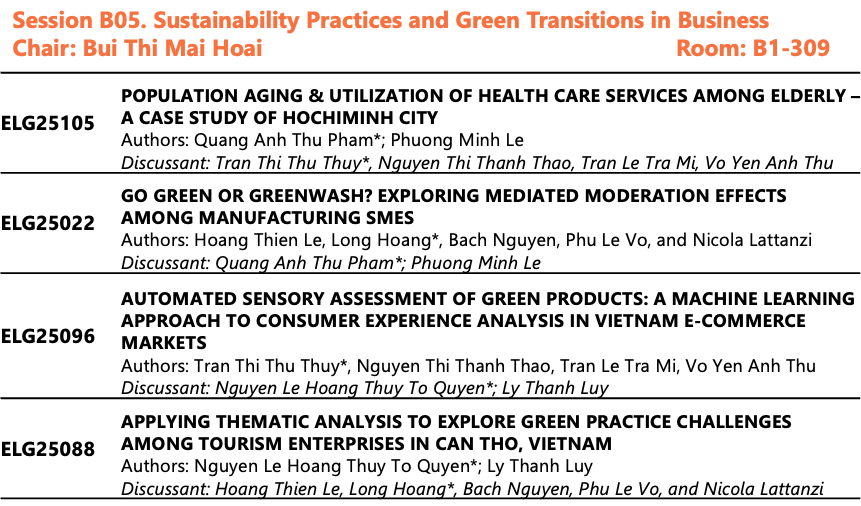
- ESG (Environmental, Social, and Governance) Investing
- Economic Adaptation in a Volatile Global Market
- Crisis Management and Economic Recovery Policies
- Sustainable Trade and Regional Cooperation
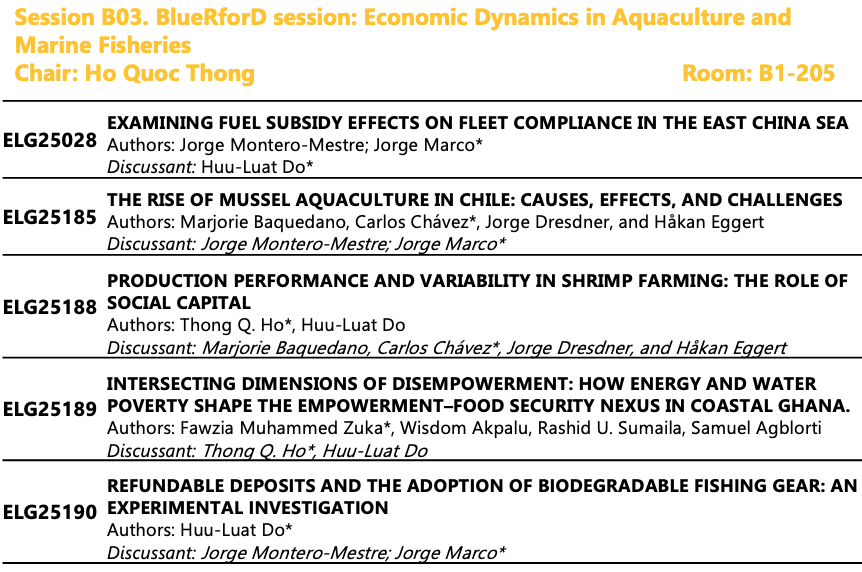
- Sustainable Management of Marine Resources
Public Governance, Policy and Resilience:
- E-Government and Civic Tech for Sustainability
- Sustainable Public Finance and Budgeting
- Climate-Responsive Urban Planning and Resilient Cities
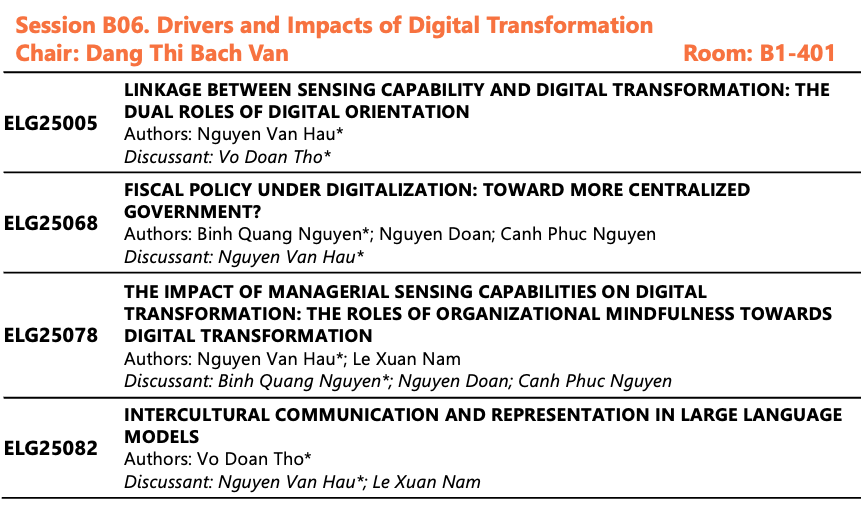
- Digital Transformation and Sustainable Public Services
- Just Transition and Social Equity Policies
- Policy Innovations for Net-Zero Strategies
- Governance Strategies for Managing Economic and Environmental Turbulence
- Disaster Risk Reduction and Climate Adaptation Policies
Law and Resilience Governance:
- Environmental and Climate Change Law
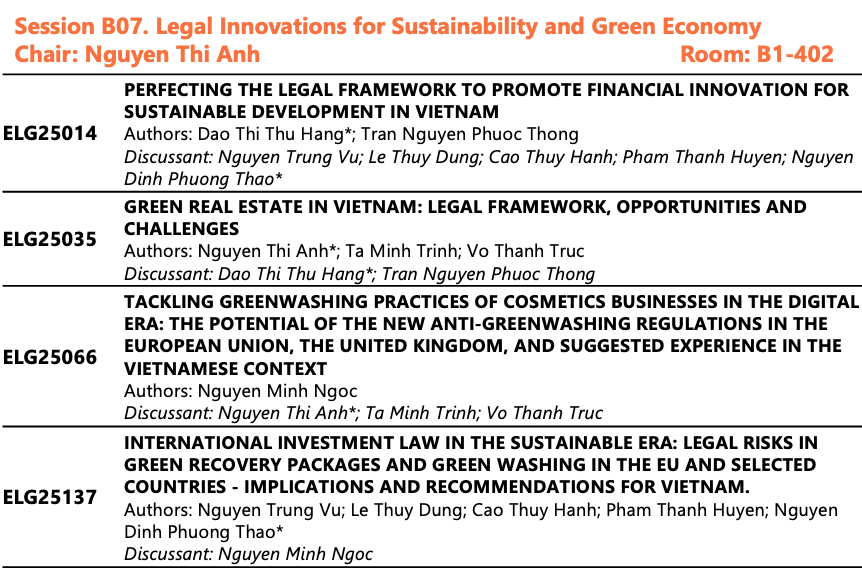
- Legal Frameworks for Sustainable Business Practices
- International Trade Law and Sustainable Development
- Intellectual Property Rights in Green Innovation
- Data Privacy, Digital Rights, and Sustainability
- Legal Responses to Economic and Environmental Crises
- Regulatory Adaptations for Sustainable and Resilient Development
Quantitative Tools for Sustainability, Resilience, and Digital Transformation
- Quantitative Assessment of Resilience
- Measurement of Sustainability Indicators
- Evaluation of Digital Transformation Processes
- Quantitative Methods for Environmental Monitoring and Environmental Data
- Mathematical Modeling of Ecosystem Services, Climate Resilience, Sustainable Resource Management
- Dynamic Systems and Sustainability
Arts, Humanities and Languages
- Cultural Impacts of Climate Change
- Cultural Resilience in the Digital Era
- Language as a Tool for Community Resilience
- Multilingualism and Digital Communication
Keynote speakers:
The FUEL Lab’s research focuses on three main themes: environment-livelihoods, environmental governance, and energy poverty. Professor Jagger’s environment-livelihoods research quantifies the role of forests and other environmental resources in household consumption and income generation, while analyzing how these contributions change under the influence of land-use fluctuations, conservation and development projects, and population dynamics. In the area of environmental governance, Professor Jagger examines the impact of changes in environmental governance and institutions on people’s access to environmental goods and services. The third theme focuses on household energy access, evaluating the effectiveness of interventions aimed at reducing energy poverty, improving electricity access, and promoting clean cooking methods.
Professor Jagger has also worked as a policy researcher for prestigious international organizations, including the World Bank, Resources for the Future, the International Food Policy Research Institute (IFPRI), and the Center for International Forestry Research (CIFOR).
Professor Carlos Chávez is a full professor at the Faculty of Economics and Business, University of Talca, and a research collaborator at the Interdisciplinary Center for Sustainable Aquaculture Research (INCAR) – FONDAP – CONICYT. He is also a research collaborator with the Natural and Environmental Resource Economics Research Group (NENRE) – EfD – Chile. Additionally, he serves as co-editor of the journal Environment and Development Economics (Cambridge University Press).
Professor Chávez has conducted extensive research on the design and evaluation of environmental policies and natural resource management, with a particular focus on economic issues related to air pollution in urban areas, monitoring, enforcement, and cooperative management of common-pool resources in both developing and developed countries. His research findings have been published in numerous prestigious academic journals, including Journal of Environmental Economics and Management, Nature Sustainability, Environmental and Resource Economics, Marine Resource Economics, Journal of Regulatory Economics, Environment and Development Economics, Journal of Environmental Management, and Marine Policy.
In his recent professional and academic service activities, he served as Director of the Board of Trustees of the University of Talca (2018–2020) and was a member of the Superior Scientific Council of the Fondecyt Program (2014–2016), acting as its President in 2015.
Jeannie Marie Paterson is a Professor of Law and Director of the Centre for AI and Digital Ethics at the University of Melbourne. Her teaching and research focus on consumer and data protection law in the context of emerging digital technologies, addressing issues of fairness, privacy, transparency, security, and risks associated with the rise of AI.
Her current projects explore digital mental health, generative AI in legal decision-making, and legal responses to deepfake fraud under the theme of misleading AI.
Jeannie has extensive experience advising and collaborating with government, industry, regulators, and community legal aid centers, and is a frequent media commentator. She has provided advice on legal and regulatory reform to ASEAN, the Banking and Financial Services Royal Commission, the Productivity Commission, the Australian Law Reform Commission, the Federal Attorney-General, the Federal Treasury, and ASIC.
Alongside Professor Andrew Robertson, Jeannie co-authored the textbook Principles of Contract Law and has published numerous articles and books on consumer protection law and consumer credit law.
Jeannie is an associate researcher with the Centre of Excellence for Automated Decision Making and Society and a fellow of the Australian Academy of Law. She currently serves on the Australian Government’s interim AI expert advisory group.
RECOMMENDED JOURNALS FOR ELG PARTICIPANTS:
Accepted abstracts will be published in the Conference Handbook with an ISBN identification.
Moreover, to encourage and acknowledge outstanding research, the CELG Best Paper Award of 200 USD will be presented to the author(s) of the best research paper presented at the conference.
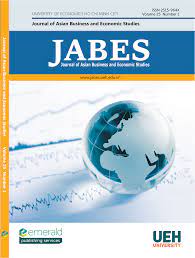
Journal of Asian Business and Economic Studies
Country: Vietnam
Publisher: Emerald Group Publishing Ltd.
H-Index: 22
ISSN: 2515964X / Coverage: 2018 – 2025
Quartiles: Q1
SJR 2024: 0.66 / Scopus 2024: 7.4 / IF 2024: 4.83
Scope: The Journal of Asian Business and Economic Studies (JABES) seeks to explore ways of improving sustainability in business and economics with a focus on Asia. The journal examines potential theoretical and empirical solutions to business and economic issues in the context of ‘sustainable development’. JABES welcomes papers covering topics of business and economic development that are of wider significance to sustainable policy, and of interest to businesses and public policy entities. All policy prescriptions should be supported by rigorous analysis and appraisal.
Environment and Development Economics
Country: Vietnam
Publisher: Cambridge University Press
H-Index: 76
ISSN: 1355770X, 14694395 / Coverage: 1996 – 2025
Quartiles: Q1
SJR 2024: 0.77 / Scopus 2024: 4.9 / IF 2024: 1.85
Environment and Development Economics is positioned at the intersection of environmental, resource and development economics. The Editor and Associate Editors, supported by a distinguished panel of advisors from around the world, aim to encourage submissions from researchers in the field in both developed and developing countries. The Journal is divided into two main sections, Theory and Applications, which includes regular academic papers and Policy Options, which includes papers that may be of interest to the wider policy community. Environment and Development Economics also publishes occasional Policy Fora (discussions based on a focal paper). From time to time the journal publishes special issues based on a particular theme.
Journal of Economics Finance and Administrative Science
Country: Peru
Publisher: Emerald Group Publishing Ltd.
WoS Core Citation Indexes: ESCI
H-Index: 29
ISSN: 20771886, 22180648 / Coverage: 2012 – 2025
Quartiles: Q2
SJR 2024: 0.44 / IF 2024: 2.74
Scope: The Journal of Economics Finance and Administrative Science (JEFAS) seeks to publish the most outstanding high quality peer-reviewed research in business and economics for contributing to the academic community and management practice. JEFAS gratefully welcomes current and relevant contributions with rigorous theoretical and empirical implications from business areas such as management, economics, and finance. While manuscripts may focus on a country or small group of countries, JEFAS appreciate submissions that reflect and explore Latin- or Ibero- American contexts.
Inquiries
For any inquiries, please feel free to contact the local organizing committee at elg@ueh.edu.vn